 Visit Istanbul Guide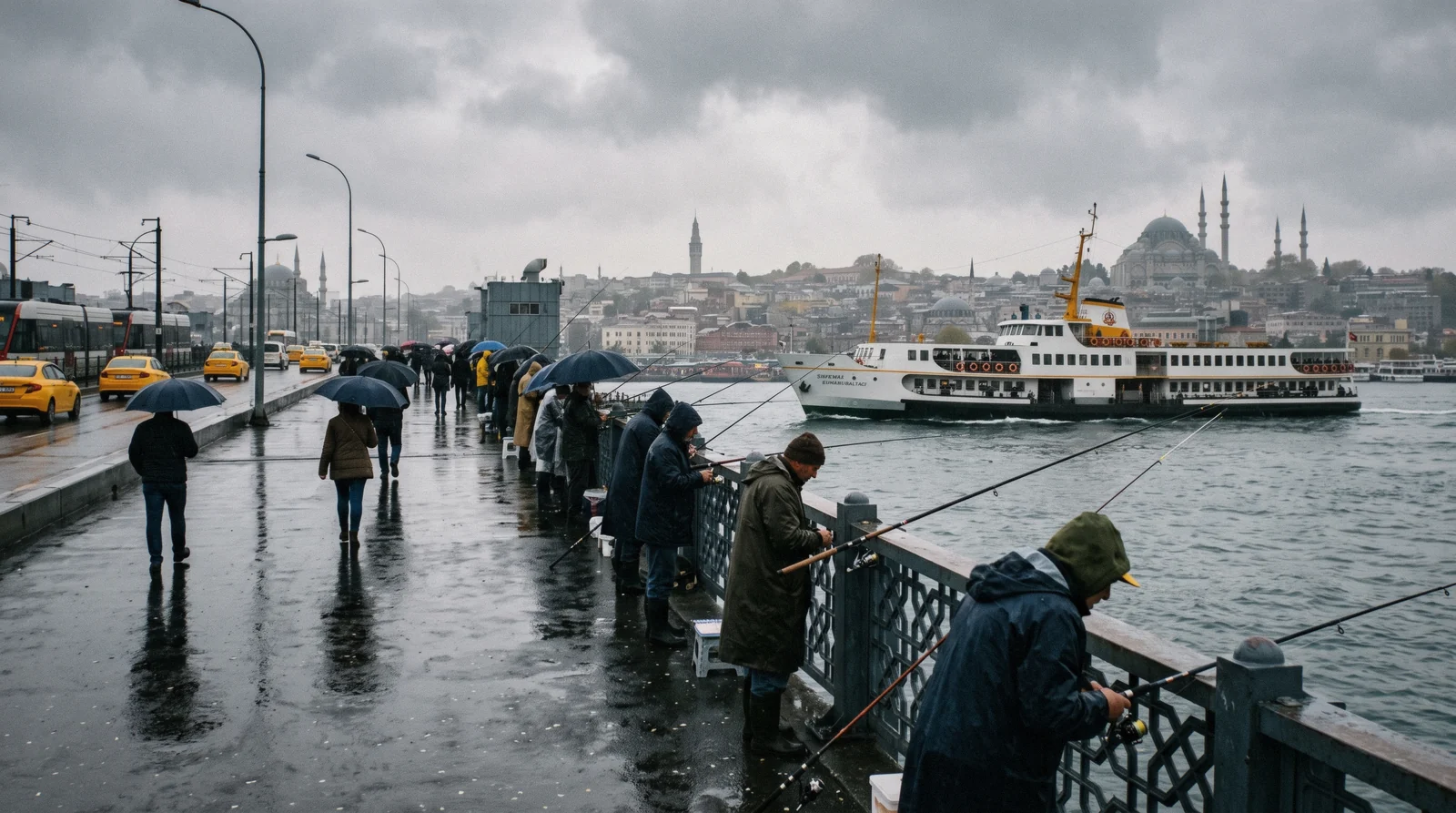
Weather and the Best Time to Visit Istanbul
The best time to visit Istanbul is April to May or September to October, and the numbers behind that sentence are not opinion: they come from the Turkish State Meteorological Service's normals for the city, measured from 1950 to 2025. This page charts them and says what each season does to a sightseeing day. The sights are on Istanbul attractions and, once you have the city plan, choosing where to stay in Istanbul starts with the neighbourhoods guide.
Quick answer Which months work, in numbers
April and May (mean 12.9 °C and 17.6 °C) and September and October (21.2 °C and 16.7 °C) are the walking months. July and August average 24.7 °C with barely three and a half rainy days, but that is also when the queues are longest. January is 6.8 °C with 16.3 rainy days — cheap, grey and atmospheric.
Key takeaways
- Winter is the only season when the Hagia Sophia gallery is quiet at midday
- Rain is a reason to do the Basilica Cistern and the covered bazaars, not to stay in
- Ramadan moves each year and changes mosque access — mosque etiquette
- Ferries run in most weather, but rough days cancel the upper-Bosphorus routes — Bosphorus by boat
Istanbul month by month
Monthly mean temperature from the Turkish State Meteorological Service normals for Istanbul, measurement period 1950–2025, in Celsius with Fahrenheit underneath. The bands come from the same record plus the crowding pattern at the sights.
The full record, month by month
Mean, mean maximum and mean minimum temperature with rainy days and rainfall, from the Meteorological Service's 1950–2025 normals for Istanbul, read on 2 September 2026. Fahrenheit conversions are ours.
| Month | Mean °C | Mean max °C | Rainy days | Rainfall mm |
|---|---|---|---|---|
| January | 6.8 (44°F) | 9.6 | 16.3 | 88.8 |
| February | 6.9 (44°F) | 10.2 | 13.9 | 70.7 |
| March | 8.5 (47°F) | 12.4 | 12.6 | 62.3 |
| April | 12.9 (55°F) | 17.4 | 10.1 | 47.8 |
| May | 17.6 (64°F) | 22.3 | 7.5 | 32.9 |
| June | 22.2 (72°F) | 27.1 | 5.4 | 27.6 |
| July | 24.7 (76°F) | 29.7 | 3.5 | 22.1 |
| August | 24.7 (76°F) | 29.7 | 3.6 | 23.9 |
| September | 21.2 (70°F) | 25.9 | 5.5 | 39.7 |
| October | 16.7 (62°F) | 20.6 | 9.5 | 66.3 |
| November | 12.6 (55°F) | 16.1 | 11.3 | 78.1 |
| December | 9.0 (48°F) | 11.8 | 15.5 | 99.2 |
Records over the same period: 40.6 °C in July and −9.0 °C in February. Snow falls most winters and closes nothing, but it does stop the upper-Bosphorus ferries for a day or two.
What each season does to a day here
The numbers above turn into four quite different cities.
Spring, April to May
The best combination the year offers: 12.9 °C rising to 17.6 °C, ten rainy days falling to eight, and the tulip beds in Emirgan and Gülhane at their peak in April. Ferry decks are usable again and the walk up to Süleymaniye does not cost you a shirt.
Summer, June to August
Hot and dry — 24.7 °C mean, under four rainy days a month — and the ticket queues are at their longest. The strategy is water and shade: an early Hagia Sophia, a boat in the afternoon, the cistern when the heat peaks, and the evening on a terrace. Book the two palaces for the first hour of the day.
Autumn, September to October
The second good window, and the better one for swimming off the Princes' Islands: the sea holds summer's heat while the air drops to 21.2 °C then 16.7 °C. Rain returns gradually — 5.5 rainy days in September, 9.5 in October.
Winter, November to March
Grey, wet and genuinely cheap: 99.2 mm of rain in December, 16.3 rainy days in January. It is also the only time you will have the mosaics to yourself, and the season the city looks most like itself — steam off the tea glasses, gulls over the ferries, snow on the domes two or three times a winter.
When-to-go questions
What is the best month to visit Istanbul?
May and September. May averages 17.6 °C with eight rainy days; September averages 21.2 °C with five and a half. April and October are the next best and cost less.
How hot does Istanbul get in summer?
The July and August means are both 24.7 °C, with mean maxima of 29.7 °C; the record for the 1950–2025 period is 40.6 °C in July. It is humid rather than desert-hot, and the water helps.
Is Istanbul worth visiting in winter?
Yes, if you accept the rain: 16.3 rainy days in January and 15.5 in December. In exchange you get empty galleries, cheaper rooms and the city at its most atmospheric. Snow happens most winters and closes nothing.
When is the rainiest month?
December by volume, at 99.2 mm, and January by frequency, at 16.3 rainy days. July is the driest at 22.1 mm and 3.5 rainy days.
Does Ramadan affect a visit?
It changes mosque access and the rhythm of the evenings rather than closing the city. Its dates move each year with the lunar calendar; the practical rules are on mosque etiquette.
Is 4 days in Istanbul too much?
No — four days is comfortable rather than excessive: three for the city and a fourth for the Princes' Islands or a slower pace. Beyond five, most people start taking day trips.
What is the warning about travelling to Turkey?
Government advice changes and is issued per country, so check your own before booking rather than relying on a guide. What this page can tell you is what the weather does, month by month.
What are the do's and don'ts in Istanbul?
Do buy an İstanbulkart before your second journey; do cover shoulders, knees and hair at mosque doors and take your shoes off; do check the day's prayer times before planning a mosque visit; do pay by card, since museum entrances stopped taking cash on 1 August 2025. Don't pick up a dropped shoe-shine brush, don't accept a stranger's invitation to a specific bar, and don't get into a taxi whose meter is 'broken'. Safety and scams and mosque etiquette have the detail.
Prices, hours and terms are set by the venue or operator and confirmed at checkout.
We may earn a commission if you book through one of our links, at no extra cost to you. Full affiliate disclosure